
Plagiarism & Copyrights
Our freedom as indie authors comes with the responsibility of safeguarding our work against people who would plagiarize and infringe on our writing.
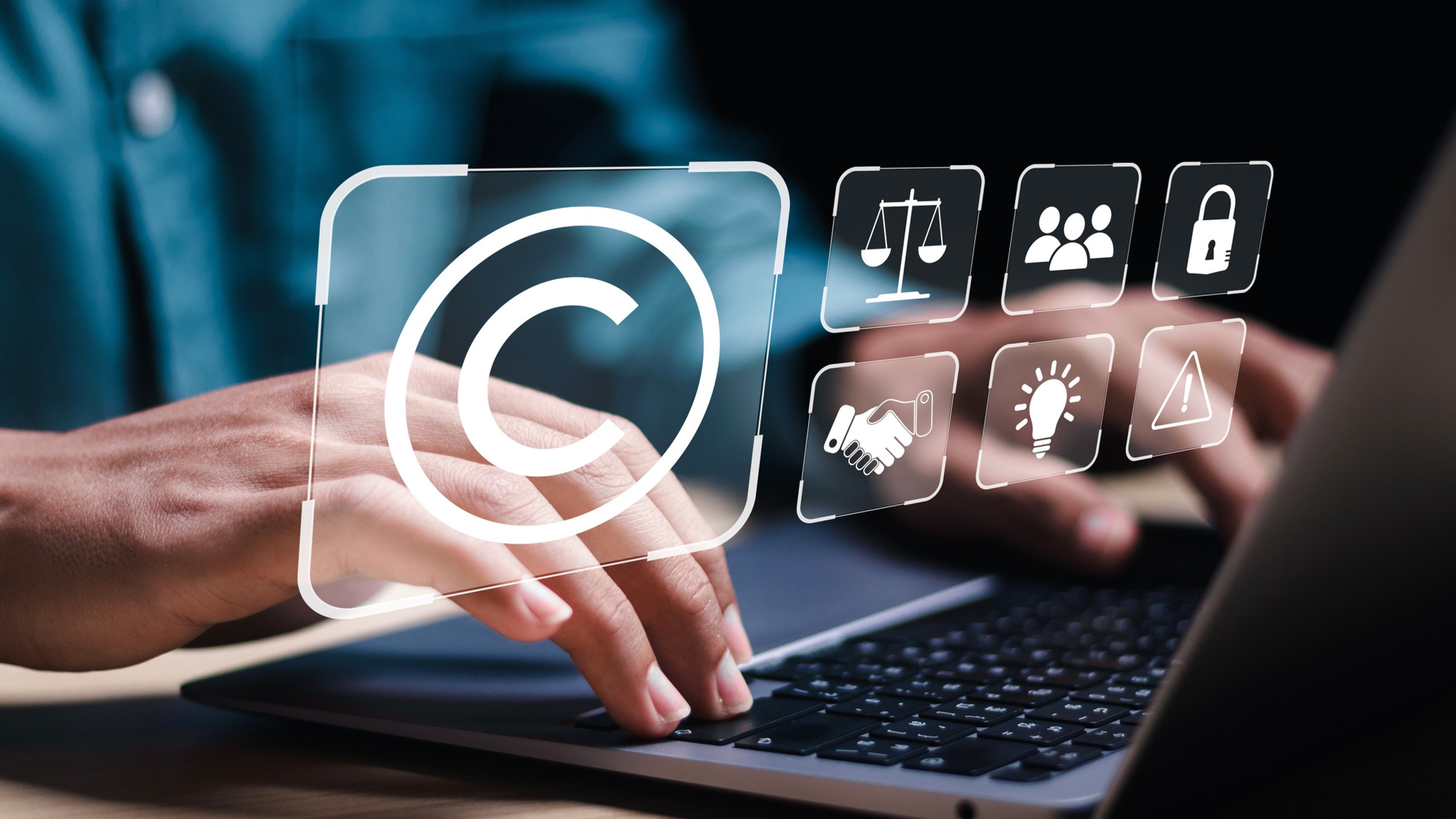
All of us indie authors wield the power to share our stories and ideas independent of outside pressures from gatekeepers like agents and traditional publishers. However, this freedom comes with the responsibility of safeguarding our work against craptastic people who would plagiarize and infringe on our writing. It ain't fun, but it's worth chatting about. So here goes…
Please note that while I may make suggestions based on my experience, the information presented here is not legal advice. See the disclaimer at the bottom of this post.
AN OVERVIEW
Before upgrading into DEFCON 1, it's important to understand plagiarism and copyright, and how they differ.
Plagiarism: Plagiarism occurs when someone claims your work as theirs — reproducing your ideas, words, or creative work without proper attribution and passing it off as their own.
Hint: A subtle watermark for shared documents, excerpts, or samples can make your work harder to plagiarize.
Copyright: Copyright infringement happens when someone copies and shares your work without your permission — unauthorized use, reproduction, or distribution of art (your words) that belongs to you.
Hint: Keep digital records of drafts, revisions, and correspondence. Simple things like emailing docs to yourself or a trusted friend provide a great time-stamped reference.
REGISTERING COPYRIGHT
While copyright protection is automatic upon creation, registering your copyright with the appropriate government agency provides additional legal benefits. In the United States, registering with the Copyright Office creates a public record of your ownership and lets you pursue legal action against infringers. International copyright offices can be found in the Directory of Intellectual Property Offices.
COPYRIGHT NOTICES
Incorporate copyright notices prominently in your work to signal your ownership and provide a minimum deterrent. A notice typically includes the © symbol, the year of publication, and your name or publishing entity. I publish under my LLC, Atomix Publishing, LLC. Here's what I use:
Webpage example:
©2024 by Atomix Publishing, LLC
Novel example:
Copyright © 2023 by Atomix Publishing, LLC. All rights reserved. No part of this book may be reproduced, stored in a retrieval system, or transmitted in any form or by any means — electronic, mechanical, photocopying, recording, or otherwise — without express written permission of the publisher.
ISBNS
An ISBN registers your work with a unique identifier upheld by your territory's ISBN provider. I have read (I am not a lawyer) that registering your art may give you legal protections. Here's a bit about my experience with ISBNs.
VIGILANCE
Some authors are overly concerned about infringement. Others are 100% worry-free. Big publishing houses have whole divisions devoted to it; we indie authors make up most or all of the divisions in our own publishing house. Only you can choose how much energy to put into discovering and combatting unauthorized uses. It takes vigilance, which can distract you from your main purpose — creating your spectacular verbal art.
TOOLS
You can use online services that specialize in detecting plagiarism and copyright infringement. A few (not endorsed):
- Turnitin ($$$$) — a widely-used plagiarism detection service used by academics.
- Copyscape — a web-based plagiarism tool to detect online copies.
- Grammarly — free plagiarism detection for smaller word counts, plus premium grammar packages. This is the one I use, since I already have a subscription.
Digital Rights Management: DRM tools protect digital copies from unauthorized copying, sharing, or distribution by encrypting your e-books and controlling access. I have no experience with these, so I won't comment on specific tools.
Content ID Systems: Systems like Google's or YouTube's Content ID identify and manage copyrighted content across online platforms, helping you track use of your content. They're free, so why not use them over expensive tools.
DISPUTES
In theory, it'd be great to sue the asses off copycats and bots who use our work without permission. In practice… not so much. Settling disputes through legal channels is expensive and time-consuming. Protecting yourself from infringement in other countries is nearly impossible for us. But there's another way to stop unlawful publishing on marketplaces. Some resources:
- Amazon Copyright Info
- Apple Dispute Forms
- Barnes & Noble Copyright Policy
- Copyright Alliance
- United States Copyright Office
PROTECT YOURSELF
As indie authors, safeguarding our work against plagiarism and infringement is our responsibility rather than a publisher's. That's a ridiculous amount of responsibility and an unrealistic time-sink. Do what you can with the limited information you have. If you think your work has been plagiarized or your copyrights infringed, there is no substitute for professional legal advice — not the word of some random dude you found online. By registering your copyright, including notices, monitoring your work, using DRM and content-ID systems, and staying informed about copyright law, you can reduce some of the risk.
DISCLAIMER
The information provided in this blog post is for informational purposes only and does not constitute legal advice. If you need aid, consult a qualified legal professional specializing in intellectual property law for guidance tailored to your situation.
FREQUENTLY ASKED QUESTIONS
Q. Why is it important to protect my work?
A. Protecting your work ensures you retain control over your intellectual property, preserve your creative legacy, and prevent others from profiting off your ideas without permission.
Q. How can I determine if my work has been plagiarized?
A. Use online plagiarism detection tools to compare your work against online content, and regularly monitor your work online.
Q. What steps can I take to prevent infringement?
A. Register your copyright, include copyright notices, use DRM tools, license thoughtfully, keep detailed records, and stay informed about copyright law.
Q. Can I use copyrighted material in my own work without permission?
A. It depends on whether your use falls under fair use. In general, obtain permission or use material in the public domain or licensed for reuse.
Q. What should I do if I discover infringement of my work?
A. Contact the infringing party to request removal. If necessary, send a cease-and-desist, file DMCA takedown notices, or seek legal advice.
Q. Is self-publishing more vulnerable than traditional publishing?
A. It may pose unique monitoring challenges, but both can be affected. Vigilance and proactive measures matter regardless of the publishing method.
Q. Can I prevent others from using my ideas or concepts?
A. Copyright protects the expression of ideas, not the ideas themselves. You can't copyright ideas, but you can protect the specific expression of them.
Q. Where can I find additional resources?
A. The Copyright Alliance and the United States Copyright Office offer information and guidance, and IP-law professionals can provide personalized assistance.
PRE-MADE PLANS
Want a head start? These ready-made task lists turn this post into a checklist you can work through in Tasks:
Related posts


Newsletter
Written by indie authors for indie authors. No spam, unsubscribe anytime.